Get Back on the Road With Peace of Mind - Reliable Auto Repair
Quality auto repair supports safe and strong vehicle operation. A established shop supplies complete work, from routine checks to necessary fixes. Figuring out when a car needs attention can be demanding. Many drivers struggle to locate credible repair professionals. Scheduled maintenance plays an important role in extending a vehicle's lifespan. Yet, the issues involving expenses and connecting with technicians can leave one perplexed. What tactics can drivers employ to maintain their vehicles road-ready?
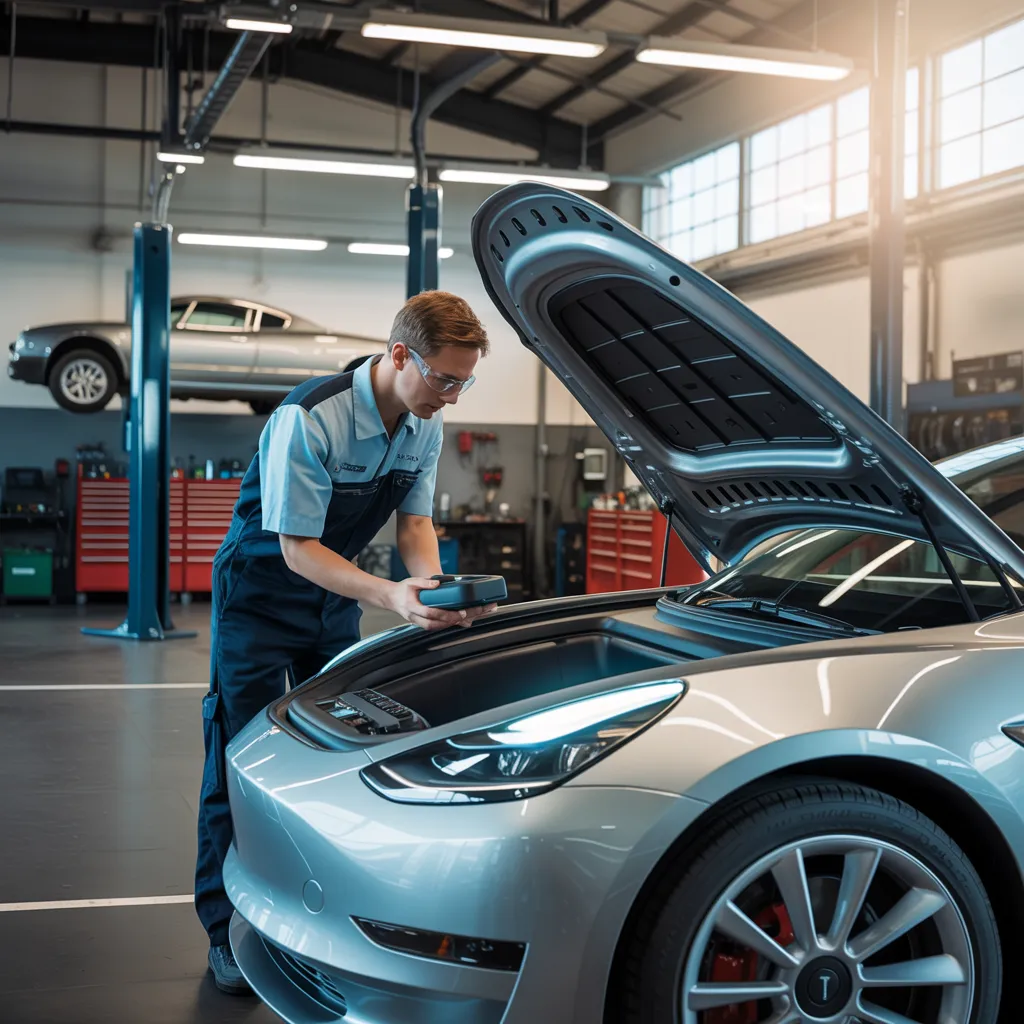
Recognizing When Your Car Requires Maintenance
How can one determine when a vehicle has issues? There are various key indicators that indicate a need for repair. Unusual noises, such as grinding or squeaking, often suggest brake or engine problems. Warning lights on the dashboard, particularly the check engine light, should not be ignored, as they signal potential problems that demand immediate inspection. Additionally, a drop in performance, such as sluggish acceleration or difficulty starting, can also point to underlying mechanical issues.
Visual indicators, such as fluid leaks or uneven tire wear, are additional signals that maintenance is needed. If the car drifts to one direction while operating, this could indicate alignment problems or tire complications. Consistently tracking these elements can help guarantee prompt maintenance, avoiding greater deterioration and expenses in the long term. In summary, being vigilant and proactive is crucial for preserving your car's condition.
How to Discover a Trustworthy Auto Repair Shop
Locating a trustworthy auto repair shop can be a difficult undertaking for car owners. To begin, people should seek recommendations from friends, relatives, or coworkers. Personal experiences often provide useful information into a shop's quality of service. Online reviews and ratings on platforms like Yelp or Google can also help gauge client contentment.
Next, confirming certifications and affiliations with established sector bodies, such as the Automotive Service Excellence (ASE), can highlight a shop's commitment to professional standards. It is suggested to visit potential shops for an initial consultation, letting clients to assess cleanliness, organization, and customer service.
Additionally, obtaining quotations before any work starts can prevent misunderstandings over costs. Finally, a reliable shop should be transparent about its services and willing to clarify repairs. By undertaking these steps, vehicle owners can increase their chances of discovering a credible auto repair shop.
The Vital Benefits of Consistent Vehicle Maintenance
While many car proprietors may ignore routine upkeep, consistent car care is vital for guaranteeing a car's longevity and optimal operation. Omitting upkeep can cause a string of problems, from minor inconveniences to significant breakdowns. Standard inspections, such as fluid replacements, wheel rotations, and brake inspections, can prevent costly repairs and boost driving safety.
Additionally, regular upkeep helps sustain a vehicle's fuel efficiency, reducing overall running expenses. It also protects the market value; a well-maintained car is often more desirable to prospective customers.
Engaging in scheduled upkeep builds a sense of accountability among owners, motivating them to remain aware about their vehicle's needs. By stressing regular care, vehicle owners not only safeguard their purchase but also participate in general traffic safety. Ultimately, read the facts consistent vehicle maintenance is a forward-thinking approach that benefits both the owner and the broader society.
Learning About Restoration Fees
Grasping maintenance costs often seem difficult for car owners. Many elements contribute toward such expenses, involving hourly labor rates, component pricing, and the degree of complexity involved in the repair job. Labor costs change markedly according to region and shop, commonly revealing the mechanic's qualifications and the facility's overhead. Moreover, the range of parts applied—should original equipment manufacturer (OEM) or third-party alternatives—can substantially shape the ultimate bill.
Vehicle years and type also play a role; older or less common models may require unique components that are more expensive and harder to source. Furthermore, surprise complications can emerge during repairs, resulting in extra expenses that were not originally expected. By acquiring general awareness of such considerations, vehicle owners can address repair assessments with more certainty and establish well-reasoned conclusions regarding their car-related necessities.
How to Precisely Communicate Car Issues to Your Technician
Communicating car problems clearly to a mechanic can significantly improve the assessment and restoration process. When detailing problems, car drivers should be specific about indicators, such as unusual noises, shaking, or dashboard alerts. Providing details on when the issue happens—whether during speeding up, decelerating, or idling—can also support the mechanic pinpoint the issue.
It is valuable to document any recent variations in your driving habits or service history. Using direct, simple communication prevents misunderstanding, enabling the mechanic to understand the circumstances better. Auto owners should avoid using specialized language unless they are certain about its meaning.
Moreover, providing documentation, such as service records or previous repair invoices, can furnish context. A detailed description not only enables swift diagnosis but also cultivates a collaborative relationship between the car owner and the mechanic, ultimately contributing to effective repairs.
Creating a Durable Partnership With Your Auto Repair Shop
Creating a long-term relationship with an auto repair shop depends on trust and transparency. Consistent superior service reinforces this connection, while open communication channels ensure that customers feel appreciated and acknowledged. In combination, these components create a collaboration that benefits both the client and the mechanic.
Develop Faith By Means Of Transparent Engagement
When clients feel educated about the repairs their vehicles need, reliance naturally emerges between them and their auto repair shop. Transparency in communication is key; it allows customers to understand the logic behind advised repairs and maintenance. Auto repair shops that provide in-depth explanations, precise estimates, and open dialogues promote a sense of security among their clientele. This openness not only clarifies the repair process but also empowers customers to make educated decisions. Additionally, sharing information about the shop’s qualifications, warranties, and service history improves credibility. By focusing on transparency, auto repair shops can maintain lasting relationships, encouraging customer loyalty and retention. Ultimately, trust through transparency facilitates a more satisfying and trustworthy auto repair experience.
Consistent High-Grade Service
Consistent quality service is the cornerstone of a permanent connection between customers and their repair shop. When customers receive solid and quick repairs, they are more likely to return for future maintenance. This steadiness generates trust, allowing customers to be confident in the expertise of the technicians. Over time, as customers view the same quality standards being upheld, a sense of devotion develops. Quality checks executed routinely and adherence to industry standards guarantee that vehicles are not only remedied but also cared for to stop future issues. Such commitment to excellence creates an setting where customers feel valued, knowing their vehicles are in expert hands. Ultimately, this dedication to consistent quality service strengthens the link between auto repair shops and their clientele.
Establish Messaging Pathways
Effective dialogue functions as an important bridge between customers and their auto repair shops, strengthening trust and understanding. Open communication channels foster a collaborative environment where clients feel appreciated and informed. When repair shops provide clear explanations concerning offerings, costs, and timelines, customers can make more informed choices about their vehicles. Frequent notifications during repairs can reduce anxiety and build trust in the shop's knowledge. Similarly, customers who express their concerns and needs add to a more customized experience. This mutual dialogue not only strengthens relationships but also promotes dedication. By prioritizing transparent dialogue, auto repair shops can build a reputation for dependability, ensuring that customers come back for upcoming requirements, confident in the service they will receive.
Regularly Addressed Questions
What Should I Consider if My Car Stops Abruptly?
If a vehicle breaks down unexpectedly, the driver should cautiously exit the traffic lane, turn on hazard lights, examine the situation, and seek roadside assistance or a tow service if needed. Staying calm is important.
How Can I Ascertain if a Mechanic Is Dependable?
To assess a mechanic's credibility, one should examine reviews, ask for referrals, check certifications, and ensure transparency in costs. A trustworthy mechanic will communicate clearly and offer thorough descriptions of required maintenance and solutions.
Can you find protection plans for auto repair work?
Most auto repair shops provide guarantees on their services and parts, typically ranging from 90 days to several years. Customers should inquire about specific terms and conditions to ensure adequate coverage for their repairs.
What Gear Should I Have in My Car for Emergencies?
A properly maintained vehicle should carry a spare tire, jack, jumper cables, flashlight, first aid kit, basic tools, and tire pressure gauge. These vital items help confirm safety and handle minor issues during unexpected emergencies on the road.
How Can I Ready My Car for Seasonal Transitions?
To set up a car for climate shifts, one should examine liquid amounts, check tires for tread and pressure, test the battery, change wipers, and make sure lights work correctly for best safety and operation.